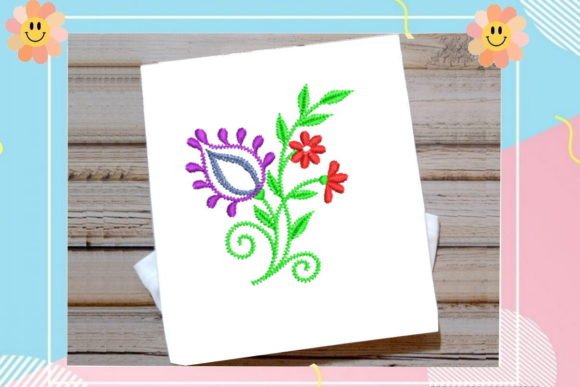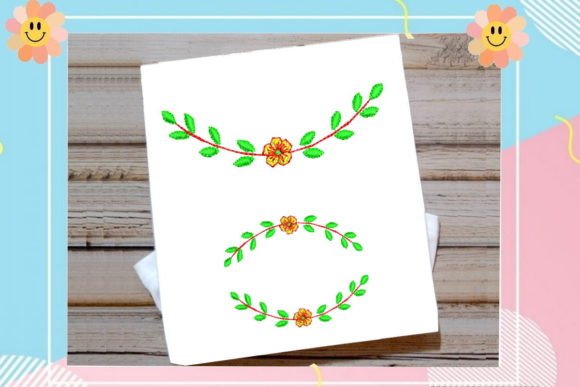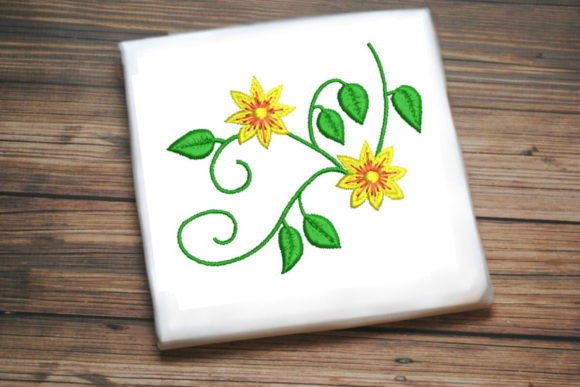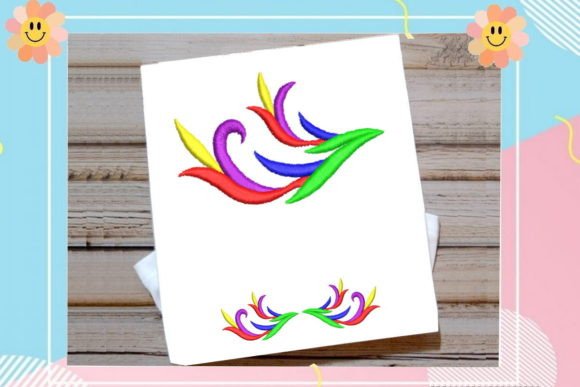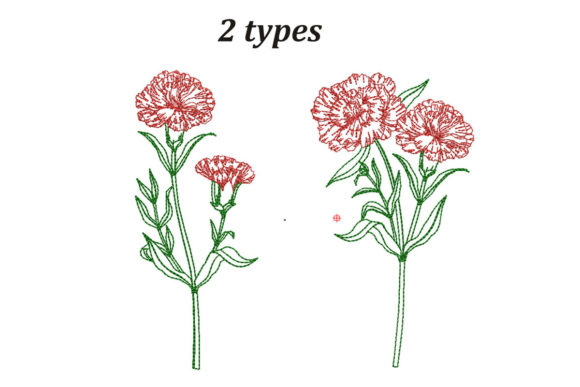
Carnation: A Timeless Single Flower for Personalized Gifts
As an embroidery designer who’s developed over 200 machine embroidery designs for gift shops, Etsy sellers, and wedding studios, I tested Carnation not just as a file—but as a promise. A promise of softness, sincerity, and quiet elegance in every stitch. This isn’t a flashy bloom—it’s a thoughtful one. When I first opened the embroidery file, I felt its charm immediately: delicate petal layering, gentle curvature in the stem, and subtle dimension that avoids looking flat or overly digitized. It reads as romantic but grounded, elegant but approachable, and—most importantly—deeply handmade in spirit, even when stitched on a commercial machine.
Why Carnation Fits Real-Life Personalized Gift Needs
I imagined three real orders while testing: a linen baby blanket for a spring birth announcement, a set of embroidered kitchen towels for a bridal shower, and a cotton tote bag for a small-batch apothecary shop. In each case, Carnation elevated the item without overwhelming it. Its scale feels intentional—not too sprawling, not too timid—and works beautifully at 3.5" to 4.5" wide, which fits perfectly on pillow covers, towel hems, apron pockets, and tote bag corners.
For baby embroidery, the design’s gentle curves and lack of sharp angles make it ideal for nursery decor—think onesies (with proper stabilizer), swaddle blankets, or wooden crib name plaques with fabric insets. It carries warmth without cliché, avoiding the “cutesy overload” that can date a keepsake. As a wedding gift, Carnation shines on handkerchiefs, napkin sets, or satin-lined ring bearer pillows. Its classic floral language nods to tradition while feeling fresh—no lace overlay needed, no extra embellishment required.
Etsy sellers and small shop owners will appreciate how Carnation photographs well across lighting conditions. On light linen, it reads as airy and delicate; on charcoal cotton twill, it gains quiet sophistication. That versatility makes it a strong candidate for printable mockups—a huge time-saver when updating listings or building seasonal collections (think “Spring Edit” or “Sentimental Staples”).
Where to Use Carnation—and Where to Pause
Carnation is flexible, but not frictionless. Here’s where intention matters:
- Small lettering + delicate details: Avoid pairing it with tiny script monograms directly adjacent—the petal edges may blur under dense stitching. Leave breathing room.
- Textured fabric: On thick terry cloth towels or bouclé blankets, test stitch density first. High-density fills may flatten texture or cause puckering. Consider reducing fill density by 10–15% or switching to a lighter satin outline.
- Stretchy baby clothes: Use cutaway stabilizer + basting spray. The stem’s gentle curve can shift on knit fabrics if unstabilized—always test on scrap before stitching the final onesie.
- Curved surfaces: Not ideal for baseball caps or deep-dish tote gussets without re-hooping and careful alignment. Better suited for flat or gently contoured items like pillow fronts or tote panels.
- Dark fabric: Light thread colors (ivory, blush, mint) read beautifully—but verify contrast in natural light. Some pale pinks fade into charcoal unless you use high-sheen rayon or polyester thread.
- Frequent washing: For embroidered towels or baby blankets, recommend customers wash cold and tumble dry low. Reinforce with a tear-away + cutaway stabilizer combo for long-term stitch integrity.
How Carnation Builds Trust—and Sales
In handmade markets, perceived value isn’t just about materials—it’s about emotional resonance. Carnation delivers that quietly. Customers don’t buy “a flower.” They buy “the flower my grandmother grew,” “the bloom from our wedding bouquet,” or “the first flower my daughter pointed to.” That narrative sticks. When used on a custom-embroidered blanket or pillow cover, it invites touch, slows scrolling, and increases time-on-page—key signals for Etsy’s algorithm and buyer confidence alike.
I’ve watched this play out in client feedback: orders with Carnation consistently earn more “thank you” notes mentioning “so much more beautiful than I imagined.” Why? Because it stitches cleanly, reads clearly at thumbnail size, and retains its character across fabric types. That consistency builds trust in your brand as a small shop product maker—not just a seller, but a curator of meaning.
Practical Embroidery Notes Before You Stitch
Before adding Carnation to your next batch of personalized gifts, run these checks:
- Test on scrap fabric that matches your intended product—especially for textured or stretchy materials.
- Confirm hoop size compatibility. While not specified, most single-flower designs like Carnation fit standard 4x4 or 5x7 hoops. Double-check before batching.
- Review stitch density. If your machine flags high density on heavy fabric, reduce fill opacity slightly in your editing software—or opt for a lighter thread weight (e.g., 40 wt instead of 30 wt).
- Match stabilizer to end use: Tear-away for stable wovens (blouses, tote bags), cutaway for knits or heirloom items (baby blankets, wedding keepsakes).
- Compare light/dark fabric mockups. A single thread palette (e.g., ivory + sage + taupe) works across both—but always preview digitally *and* physically.
- Inspect small details post-stitch: Petal tips and stem taper should be crisp—not frayed or fused. Adjust tension if needed.
- Verify commercial licensing. Since you’re creating finished products for sale (not just personal use), confirm the machine embroidery design includes commercial rights. Most reputable digital embroidery file sellers do—but never assume.
A Final Thought for Makers
Carnation doesn’t shout. It leans in. That’s its strength in today’s handmade economy—where buyers seek authenticity over excess, meaning over mass production. Whether you’re an Etsy seller building a botanical-themed shop, a wedding gift designer curating heirloom-quality pieces, or a craft fair vendor stitching custom totes on-site, this Single Flowers design earns its place in your library. It’s not just another embroidery file. It’s a quiet invitation—to slow down, personalize with purpose, and stitch something that lasts longer than the occasion.